

For most businesses, the network is no longer just part of the background. It is the foundation that supports daily operations, communication, security, and growth. From cloud applications and video meetings to printers, phones, and mobile devices, nearly everything depends on a reliable connection. When the network struggles, productivity follows.
As a result, more organizations are turning to Managed Local Area Network (LAN) and Wireless Local Area Network (WLAN) services. On paper, many providers offer these services. In reality, the quality of delivery can vary significantly. Some focus on basic setup and occasional support, while others deliver ongoing management built around performance, security, and long-term reliability.

Understanding what separates high-quality managed LAN and WLAN providers from the rest is critical for businesses that want their networks to support the way they work. This blog breaks down the key characteristics that define strong Managed Network Services and explains what organizations should expect when evaluating a provider.
What Managed LAN and WLAN Include
Before exploring what sets top-tier providers apart, it helps to clarify what Managed LAN and WLAN Services cover.
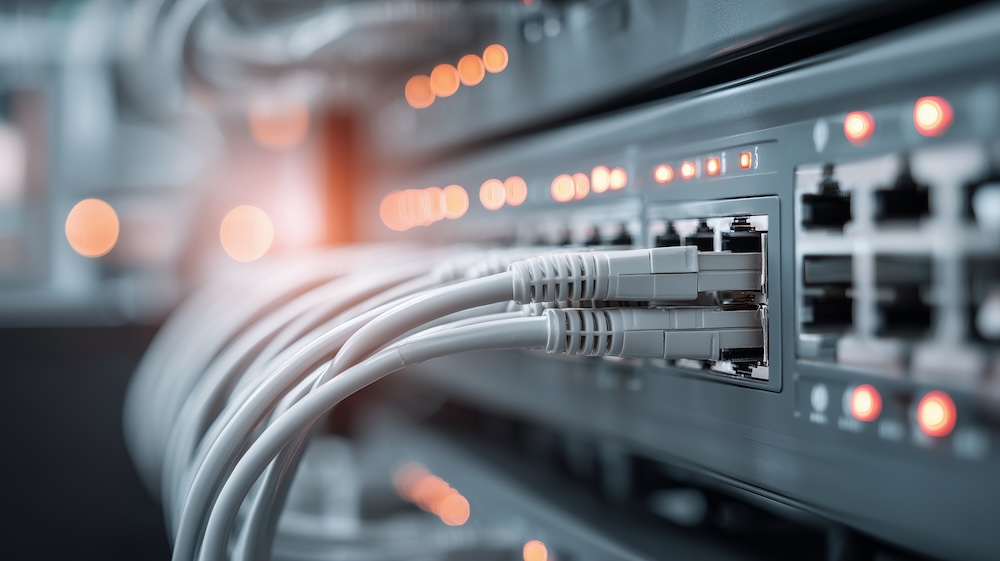
A Managed LAN refers to the ongoing management of a business’s wired network. This includes switches, internal connectivity, and the way data moves between devices, servers, and applications inside the organization. Rather than simply installing equipment and reacting when something breaks, Managed LAN Services involves continuous monitoring, configuration management, updates, and performance optimization.
A Managed WLAN focuses on the wireless side of the network. This includes Wi-Fi access points, signal coverage, roaming behavior, device density, and interference management. Because wireless networks support a wide range of devices, including laptops, mobile phones, printers, and guest connections, they require constant oversight to maintain consistent performance and security.
One of the most common misconceptions about Managed LAN and WLAN Services is that they are primarily about hardware. The value lies in the management itself. Installing network equipment is a one-time event. Managing a network is an ongoing responsibility that includes monitoring usage patterns, addressing vulnerabilities, applying updates, and adapting the network as business needs evolve.
High-quality Managed Services focus on keeping the network reliable, secure, and aligned with how employees use it, not just keeping the lights on.
Proactive Monitoring vs. Reactive Support
One of the clearest differences between average and high-quality Managed LAN and WLAN providers is how they handle issues. Many organizations are familiar with reactive support, where problems are addressed only after users complain. By the time IT is alerted, productivity has already been disrupted.
High-quality Managed Services providers take a proactive approach. They continuously monitor network performance, device health, and traffic patterns. This allows them to identify warning signs, such as unusual latency, bandwidth saturation, or failing hardware, before those issues impact daily operations.
Proactive monitoring also creates consistency. Instead of troubleshooting the same recurring problems, providers can address root causes and make adjustments that prevent repeat issues. Over time, this leads to a more stable network and fewer unexpected disruptions.
For businesses, the difference is noticeable. A proactive model reduces downtime, improves user experience, and allows internal teams to focus on their work rather than troubleshooting connectivity problems.
Network Design That Matches Real-World Use
Even the most advanced network equipment cannot compensate for poor design. High-quality Managed LAN and WLAN providers invest time upfront to understand how a business actually operates and how its network is used day to day.
On the wired side, this includes planning for traffic flow, redundancy, and segmentation. Different systems generate different types of network traffic, and treating everything the same can create bottlenecks or security gaps. Thoughtful LAN design ensures critical systems have the access and performance they need without interfering with other activity.
Wireless design requires even more precision. Factors such as building layout, device density, interference, and roaming behavior all affect Wi-Fi performance. Simply placing access points where power is available often leads to dead zones, dropped connections, or inconsistent speeds.
High-quality providers design networks based on real usage patterns, not assumptions. This approach reduces ongoing issues and allows the network to scale as the organization grows.
Security Built Into the Network, Not Added Later
Networks are a common entry point for security threats, especially when devices are poorly segmented or access controls are inconsistent. High-quality Managed LAN and WLAN providers treat security as a core part of network design and management, not an optional add-on.
This includes separating employee traffic from guest access, restricting device permissions, and enforcing secure authentication methods. Regular firmware updates and patching are also critical, as network devices are frequently targeted by attackers seeking unpatched vulnerabilities.
Wireless networks require particular attention. Open or poorly secured Wi-Fi networks can expose internal systems if not properly managed. Good providers continuously evaluate wireless security configurations and adjust them as threats evolve.
By embedding security into the network itself, Managed Services providers help reduce risk while supporting compliance requirements and protecting sensitive business data, aligning with frameworks such as the NIST Cybersecurity Framework.

Operational Maturity and Consistent Service Delivery
Technical expertise is important, but consistency is what separates reliable providers from unpredictable ones. High-quality Managed LAN and WLAN providers operate with clearly defined processes that guide how services are delivered, maintained, and improved.
Operational maturity includes documented procedures for configuration changes, incident response, escalation, and ongoing maintenance. It also involves standardization, ensuring networks are built and managed according to best practices rather than individual preferences.
This level of structure reduces errors and speeds up resolution when issues occur. It also ensures customers receive the same level of service regardless of location or complexity. For organizations that rely heavily on their networks, consistent service delivery provides peace of mind and predictable outcomes.
Certified Expertise and Vendor Alignment
Not all network providers are equally aligned with the platforms they support. High-quality Managed LAN and WLAN providers invest in ongoing training and certification to stay current with evolving technologies and best practices.
Vendor alignment matters because modern networks are complex ecosystems. Providers who understand the full capabilities of the platforms they manage can deliver better performance, stronger security, and more reliable support.
In the Managed Networking space, Cisco Meraki has become a leading platform for cloud-managed LAN and WLAN services. Its architecture supports centralized visibility, automation, and scalability, but realizing those benefits requires deep operational knowledge.
Providers who go beyond basic sales authorizations and pursue advanced validation demonstrate a commitment to delivering services correctly and consistently, not just deploying hardware.
What Third-Party Validation Really Tells Customers
Third-party validation plays an important role in distinguishing high-quality providers from the broader market. Unlike vendor tiers focused on sales volume, rigorous service designations evaluate how services are actually delivered.
These validations often assess areas such as certified personnel, service infrastructure, operational processes, monitoring capabilities, and customer experience standards. Earning them typically requires extensive documentation, hands-on audits, and demonstrated success in real-world environments.
For customers, these designations provide reassurance. They indicate that a provider has been independently evaluated and proven capable of delivering Managed Services at scale. Not every provider pursues this level of scrutiny, and not every provider qualifies.

Logista Solutions and the Cisco Powered Services Premier Designation
Logista Solutions recently earned the Cisco Powered Services: Meraki Access Premier Provider designation, one of Cisco’s most rigorous validations for Managed LAN and WLAN Services delivery. This designation places Logista among fewer than 100 providers in the United States and makes it only the second Cisco Provider in Alabama and Mississippi to achieve this level of recognition.
Unlike traditional partner tiers, the Cisco Powered Services designation specifically validates a provider’s ability to deliver, manage, and support Meraki-based Managed Services. To achieve Premier status, Logista completed a multi-day Cisco audit evaluating certified personnel, technical expertise, service delivery infrastructure, operational maturity, and customer experience standards.
“This designation validates the strength of our technical team, operational maturity, and commitment to Cisco best practices,” said Cary Bush, Vice President of Sales Operations at Logista. “Most importantly, it gives our customers confidence that their network services are being delivered to the highest standards in the industry.”
The timing of the designation is also significant, as Cisco prepares to launch its 360 Partner Program in January 2026, further emphasizing the importance of Managed Services excellence.
Why This Matters for Businesses Choosing a Managed LAN and WLAN Partner
Choosing a Managed LAN and WLAN provider is not just a technical decision. It is a long-term partnership that directly affects reliability, security, and user experience.
High-quality providers distinguish themselves through proactive monitoring, thoughtful design, built-in security, operational consistency, and verified expertise. Third-party validation adds another layer of confidence by confirming that these standards are not just claims, but proven capabilities.
For businesses evaluating providers, understanding these differences helps set realistic expectations and encourages better questions during the selection process.
Setting the Standard for Network Management
Managed LAN and WLAN Services play a critical role in supporting today’s connected workplaces, but quality varies widely across providers. By focusing on proactive management, strong design principles, security, and operational maturity, organizations can identify partners that deliver more than basic connectivity.
As industry standards continue to rise, third-party validation and service excellence will become increasingly important. For businesses that rely on their networks every day, choosing a provider that meets these standards is an investment in stability, confidence, and long-term success.
About Logista Solutions
Logista Solutions is a nationally recognized leader in a broad range of technology management solutions. As one of the largest technology support providers in the U.S., Logista provides innovative and holistic solutions to help companies take control of their IT infrastructure and achieve better business outcomes. Popular services include Managed IT as a Service, VoIP and Unified Communications, Managed Print, Cloud Services and Asset Disposition.