
Key Takeaways
- Artificial intelligence is becoming part of everyday business software, but responsible use, security, and governance are becoming just as important as adoption.
- Cybersecurity in 2027 will focus more heavily on continuous monitoring, identity protection, rapid detection, and recovery.
- Modern devices, networks, and cloud infrastructure will play a larger role as businesses support AI tools and more demanding workloads.
- Many organizations will look for ways to reduce software overlap, improve integration, and simplify their technology environments.
- Strategic technology planning will help businesses connect IT investments to growth, security, resilience, and long-term business goals.
As businesses plan for 2027, the biggest opportunities won’t necessarily come from the newest technologies. Instead, they’ll come from making smarter decisions about technologies that are already transforming the way businesses operate.
Artificial intelligence is becoming part of everyday business software. Cybersecurity threats continue to evolve. Employees expect seamless access to applications and information from anywhere, while business leaders want technology investments that support long-term growth instead of creating additional complexity.
According to McKinsey’s 2025 State of AI report, 88% of organizations now use AI in at least one business function, yet most remain in the early stages of scaling AI across their organization.
This highlights an important shift. The conversation is no longer about whether businesses should adopt new technologies. It’s about choosing the right technologies, implementing them thoughtfully, and ensuring they deliver measurable business value.
As 2027 approaches, here are seven technology trends every business leader should have on their radar.

1. Artificial Intelligence Becomes Part of Everyday Business
Artificial intelligence has moved well beyond experimentation.
Rather than existing as a standalone application, AI is becoming embedded within the software businesses already use every day. Productivity suites, CRM platforms, cybersecurity tools, collaboration software, document management systems, and business analytics platforms are all incorporating AI capabilities.
Organizations are increasingly using AI to:
- summarize meetings
- draft reports and emails
- automate repetitive administrative work
- analyze business data
- improve customer service
- support software development
- accelerate research
As adoption grows, businesses are discovering that success depends on more than simply enabling AI features.
Questions around governance, security, employee training, and responsible use are becoming just as important as the technology itself.
Businesses that establish clear AI policies today will be better prepared as AI continues to become a standard part of everyday work.

2. Cybersecurity Moves Beyond Prevention
Cybersecurity strategies continue to evolve.
Rather than assuming every attack can be prevented, organizations are focusing on detecting suspicious activity quickly and responding before it becomes a larger problem.
Cybercriminals are also using AI to create more convincing phishing emails, automate attacks, and identify potential vulnerabilities. That means businesses need security programs capable of adapting just as quickly.
Many organizations are investing in:
- Managed Detection and Response (MDR)
- Extended Detection and Response (XDR)
- Security Operations Center (SOC) services
- identity protection
- continuous monitoring
- threat intelligence
Cybersecurity is becoming an ongoing business strategy rather than a one-time technology purchase.
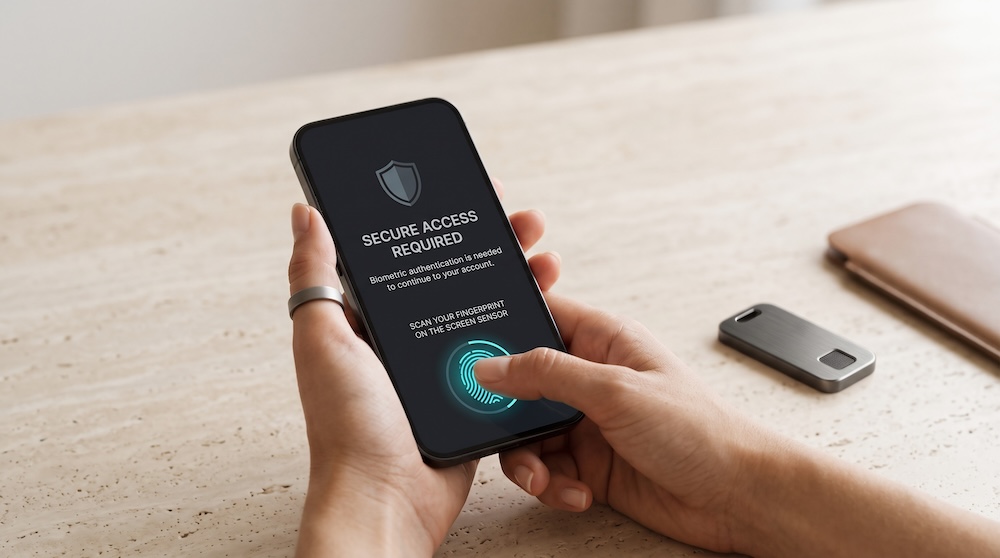
3. Identity Becomes the New Security Perimeter
As businesses continue moving applications and data to the cloud, user identities have become one of the most common attack targets.
Protecting user accounts is now just as important as protecting networks.
Organizations are strengthening identity security through:
- multi-factor authentication (MFA)
- passkeys and passwordless sign-in
- conditional access policies
- privileged access management
- identity monitoring
This shift helps reduce the risk of compromised credentials while making secure access easier for employees working from multiple locations and devices.
4. AI-Ready Devices and Modern Infrastructure Become Strategic Investments
Businesses are increasingly evaluating whether new devices can support AI-powered applications while providing stronger security and better performance.
Organizations are also modernizing:
- wireless networks
- cloud infrastructure
- storage environments
- endpoint management
- device lifecycle management
At the same time, many businesses are preparing their networks for increasing cloud traffic, AI workloads, video collaboration, and connected devices.
Technology infrastructure is becoming a competitive advantage rather than simply a cost of doing business.
5. Technology Consolidation Replaces Tool Sprawl
It’s common for an organization to add new software whenever a new challenge arises.
The result has often been disconnected systems, overlapping applications, duplicate licensing costs, and additional complexity for IT teams.
Rather than adding more technology, businesses are now asking:
- Can our existing systems work together?
- Are we paying for duplicate functionality?
- Can we simplify software management?
- How do we improve visibility across our technology environment?
Technology that integrates well often delivers greater value than adding another standalone application.
For many organizations, simplifying technology has become just as important as expanding it.
6. Business Continuity and Cyber Resilience Become Higher Priorities
Organizations have learned that disruptions can come from many different directions.
Cyberattacks, severe weather, hardware failures, supply chain issues, and power outages all have the potential to interrupt business.
As a result, businesses are strengthening:
- disaster recovery planning
- backup strategies
- recovery testing
- incident response plans
- business continuity planning
While preventing disruptions is always the goal, businesses also need a plan for responding when something unexpected happens. The ability to restore systems and resume normal business activities quickly can help reduce downtime, limit financial losses, and minimize the impact on customers.

7. Strategic Technology Partnerships Continue to Grow in Value
Technology decisions have become increasingly complex.
Business leaders are expected to understand cybersecurity, cloud computing, AI, networking, compliance, collaboration platforms, infrastructure, and device management, often while managing limited internal IT resources.
Rather than trying to manage technology challenges internally, many organizations are partnering with managed technology providers that offer strategic guidance, specialized expertise, and ongoing support.
These partnerships help businesses:
- develop technology roadmaps
- improve cybersecurity
- modernize infrastructure
- manage cloud environments
- simplify lifecycle management
- align technology investments with business goals
Technology decisions influence far more than your IT environment. They affect productivity, customer experience, security, and your ability to adapt as your business grows.
Looking Ahead
The most successful organizations in 2027 won’t necessarily be the ones with the newest technology. They’ll be the ones making thoughtful technology decisions that support their business goals.
Artificial intelligence, cybersecurity, cloud infrastructure, modern devices, and business continuity will continue shaping how organizations operate. At the same time, businesses will place greater value on simplifying technology, strengthening resilience, and building long-term technology strategies.
By focusing on the trends that are most relevant to their business, organizations can make more informed technology investments and avoid spending on initiatives that don’t deliver meaningful value.
Frequently Asked Questions
Which technology trend will have the biggest impact on businesses in 2027?
Artificial intelligence is expected to have one of the greatest impacts as it becomes integrated into everyday business software. However, successful adoption also requires strong governance, cybersecurity, and employee training.
Why are more businesses using managed technology services?
Many organizations are relying on managed technology providers to help strengthen cybersecurity, manage cloud environments, support modern infrastructure, and develop long-term technology strategies without significantly expanding internal IT resources.
How can businesses prepare for technology changes in 2027?
Start by evaluating your current technology environment, identifying outdated systems, strengthening cybersecurity, developing an AI governance strategy, and creating a technology roadmap that aligns with your long-term business goals.
Ready to Prepare Your Business for 2027?
Technology trends will continue to change, but thoughtful planning and strategic technology investments will always be the foundation for long-term business success.
Whether you’re evaluating AI, strengthening cybersecurity, modernizing infrastructure, or planning future technology investments, Logista Solutions can help you build a technology roadmap that supports long-term business growth while keeping your organization secure, connected, and ready for what’s next.
About Logista Solutions
Logista Solutions is a nationally recognized leader in a broad range of technology management solutions. As one of the largest technology support providers in the U.S., Logista provides innovative and holistic solutions to help companies take control of their IT infrastructure and achieve better business outcomes. Popular services include Managed IT as a Service, VoIP and Unified Communications, Managed Print, Cloud Services and Asset Disposition.